
In 2026, the Federal Reserve’s 2026 Diary of Consumer Payment Choice found that consumers made an average of 47 payments per month.
Credit cards accounted for the largest share, with 16 payments representing approximately 34% of all monthly payments. Debit cards followed closely at 15 payments, or about 32%. Cash was used for six payments, accounting for roughly 13% of the total. The remaining 10 payments, or around 21%, were made using other payment methods.
The shift matters because each payment choice creates a different operating path, from authorization and fraud screening to returns, reconciliation, and customer service.
For years, many retailers treated that path as a terminal project. A store needed working card readers, an e-commerce site needed a payment page, and finance needed deposits to match sales.
That approach held up while channels stayed separate. It becomes fragile when a shopper researches online, pays through a mobile wallet, collects in store, and returns through another channel.
That is why retail payment technology now belongs in the same operating discussion as inventory accuracy, labor allocation, and loss prevention.
A declined transaction can leave an item stranded in a cart; a delayed refund can create a service call; a payment record that doesn’t connect to an order can complicate every later interaction.
The first sign of strain is often visible at the counter. Associates switch between screens to look up an order, customers repeat card details after an online payment fails, and supervisors spend part of each day resolving exceptions that should have been handled automatically. The apparent payment issue is usually a data issue.
A retailer rebuilding the checkout flow starts by following a single order from basket to settlement. The exercise exposes where customer, order, payment, and fulfillment records lose their shared identifier. It also distinguishes the systems that must exchange information in real time from those that can receive a batch file after the sale is complete.
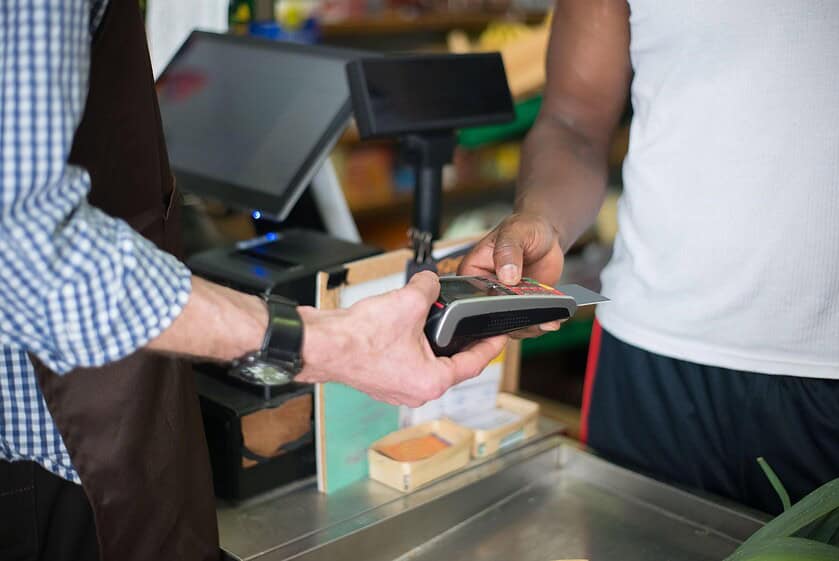
The store environment introduces another layer. An EMV chip transaction, a contactless tap, and a manually keyed card entry carry different fraud and dispute implications. Staff need a clear fallback procedure for connectivity failures, but that procedure shouldn’t quietly become the everyday workaround for an outdated payment setup.
Online checkout demands similar discipline. A retailer may see healthy traffic yet lose revenue because the authorization process adds friction, rejects valid customers, or can’t recognize a returning shopper across devices.
Payment acceptance data can show where abandonment begins, but only if teams can compare it with cart value, fulfillment method, customer support contacts, and fraud outcomes.
Security requirements should shape the architecture before a rollout begins. PCI DSS v4.0.1 places renewed attention on documented controls, ongoing validation, and the protection of account data. Reducing the number of internal systems that handle sensitive card data can narrow the exposure surface and simplify the evidence required during assessments.
This is where network tokenization can change the implementation conversation. A token can replace a stored card number for recurring or returning-customer transactions, limiting the usefulness of exposed data while supporting payment continuity when a physical card is replaced.
It’s not a substitute for access controls, monitoring, or incident response, but it can reduce the amount of sensitive data moving through retail systems.
The commercial case should be measured beyond transaction fees. Finance leaders need to see authorization performance, refund timing, chargeback trends, reconciliation effort, and the cost of handling exceptions.
Operations leaders need to know whether the new flow reduces queue time, eliminates duplicate order work, and gives associates a reliable view of the customer’s purchase history.
A phased launch is usually safer than a chainwide switch. Begin with a defined store group or digital payment method, establish a baseline for declines and support contacts, and test failure scenarios before expanding.
The most useful readiness test is simple: an associate should be able to explain what happens if a payment is approved but the order system doesn’t update, and know exactly who owns the next action.